


A trip to Japan is rarely something you plan at the last minute: between entry requirements, choosing the right season, and organizing travel across an archipelago that stretches more than 3,000 kilometers, every detail matters to avoid unpleasant surprises once you're there. Here are the essential points for putting together a smooth trip, whether it's a first visit to Tokyo or a longer itinerary through several regions.
Choosing the Right Season
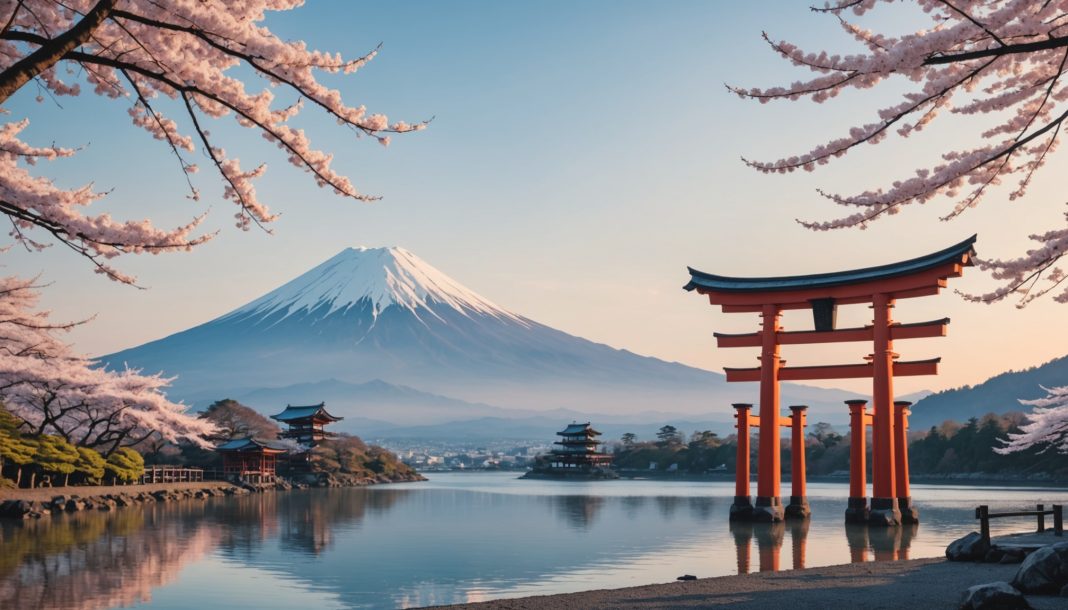
Japan's climate varies greatly depending on the time of year and the region. The most sought-after windows are spring, from late March to May, when cherry blossoms bloom in Tokyo and Kyoto, and fall, from October to November, when temperatures turn mild again and the summer tourist season has quieted down. Winter, dry and sunny along the Pacific coast, offers clear views of Mount Fuji. Summer, by contrast, is hot and humid, and also corresponds to typhoon season, which runs through late November: it's worth checking local weather reports before any road or train travel during this period.
Entry Requirements: Passport and Visa Exemption
For tourist stays of less than 90 days, French citizens do not need a visa, provided they have a passport valid for the entire length of the stay, a return ticket, and sufficient funds. No paid work can be carried out under this arrangement, however. Before departure, it's recommended to enter your information on the Visit Japan Web site to speed up immigration and customs checks on arrival. On the health side, it's also worth making sure your French vaccination schedule is up to date.
Budget, Flights, and Getting Around
Transportation is often one of the biggest items in the overall budget. For flights, it's better to compare offers over time rather than book in a rush; our tips on how to book cheap flights the right way and avoid common pitfalls are especially relevant for a destination this far away. On the ground, Japan's rail network remains the backbone of getting around: the Japan Rail Pass, which grants access to most JR lines, is purchased before departure and then exchanged in Japan for the actual pass, within 90 days of purchase. For a first trip, many travelers start by comparing several Japan vacation packages offered by travel agencies before putting together their own custom itinerary. Whatever approach you choose, tips for paying less for tickets using geolocation can help cut down the cost of domestic connections.
Mistakes to Avoid
- Underestimating distances: a Tokyo-Kyoto-Osaka-Hiroshima itinerary requires real planning of your routes, not last-minute improvisation.
- Neglecting travel insurance and proof of funds, which are sometimes requested on arrival.
- Forgetting that Japanese drug laws are enforced very strictly, even for very small quantities.
- Scheduling your trip solely around French school holidays without checking local peak travel periods, particularly Golden Week.
Japan is also attracting a growing number of people looking beyond a simple tourist stay, some even considering a more lasting move there; for French professionals tempted by the adventure, starting a business in Japan through umbrella employment (portage salarial) is one concrete avenue worth looking into beforehand.
Frequently Asked Questions
Do You Need a Visa for a Short Tourist Trip to Japan?
No. For stays under 90 days, French tourists are exempt, provided they have a valid passport, a return ticket, and sufficient funds.
Is the Japan Rail Pass Essential?
It's mainly worthwhile for an itinerary with several long high-speed train journeys; for a trip focused on a single city, local transit tickets may be enough.
What's the Best Time for a First Trip?
Spring and fall offer the best balance between pleasant weather and scenery, while avoiding summer's peak heat and humidity.
Sources
- France Diplomatie — Japan, Entry and Stay
- Japan Rail Pass — official site, types and pricing
- Japan National Tourism Organization — official site
This article was written with the help of artificial intelligence. Editorial policy

