


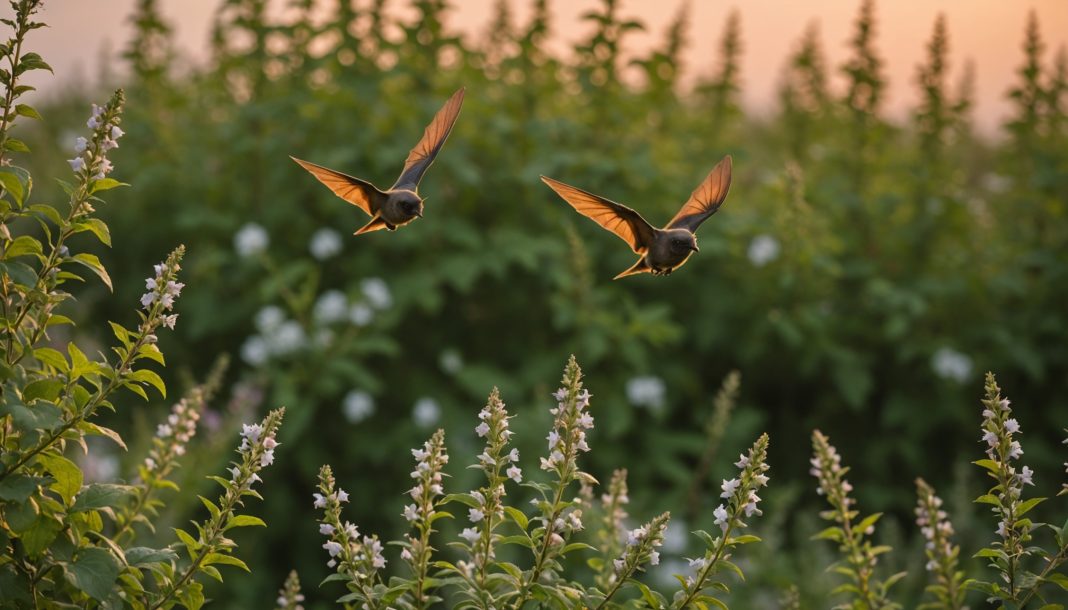
A first national bird population barometer has just painted a stark picture: the most common birds in our gardens and countryside are declining year after year, while bats are showing an equally worrying drop. These indicators, published by leading scientific and conservation organizations, reveal a troubling state of ordinary biodiversity in France.
A Decline Quantified by the First Bird Population Barometer
Led by the Ligue pour la Protection des Oiseaux (LPO, the French bird protection league), this new barometer compiles several decades of field counts to track the evolution of breeding bird populations. The result is clear: specialist species, meaning those tied to a specific habitat (hedgerows, wet meadows, extensive farmland), have lost 37 points since 1989. At the same time, generalist species, able to adapt to a wide range of environments, are seeing a slight increase. This contrast reflects a process of impoverishment: it's not just numbers that are falling, it's the very diversity of bird communities that is becoming more uniform.
Bats, the Discreet Sentinels of Biodiversity
The statistical department of the French Ministry for Ecological Transition confirms the trend among flying mammals. Over the past fifteen years, populations of the most common bats have dropped by 43% in metropolitan France, and a third of the bat species present in the country are now considered to be in a concerning state. Discreet and active at night, bats nevertheless play a valuable role as natural allies: a single pipistrelle bat can eat several hundred insects in a single night, making it a useful natural regulator for both gardens and crops.
- Loss of hedgerows and hollow trees, which served as roosts and ecological corridors
- Renovation of old buildings, which seals off attics and belfries once colonized by bats
- Pesticide use, which reduces the insect supply that birds and bats depend on
- Land development and soil sealing, which fragments remaining natural habitats
Why This Decline Concerns Everyone
These ordinary species provide services we rarely notice: indirect pollination, regulation of pest insects, and seed dispersal. Their decline is also a broader warning sign about the state of ecosystems, at a time when other scientific studies are already pointing to the effects of climate change on wildlife — whether it's parasitoid wasps weakened by warming or the slowdown of French forests' carbon sink. All of these are pieces of the same puzzle: an ordinary nature under growing pressure.
Concrete Solutions, from the Garden to the Region
Faced with this situation, solutions exist at every scale. At the national level, new biodiversity restoration projects have recently been selected to recreate favorable habitats. Locally, everyone can take action at their own level:
- Leave a diverse hedge or an unmown corner of the garden to provide shelter and food
- Install a birdhouse or a bat box, positioned away from the prevailing wind
- Reduce nighttime lighting, which strongly disrupts bats
- Avoid unnecessary pesticide treatments in the garden
These actions take place against an already strained climate backdrop, marked this summer by a drought affecting a large part of the country and further weakening natural habitats.
Frequently Asked Questions
Why are “specialist” birds declining more than others?
Because they depend on a specific habitat (hedgerows, wet meadows, extensive farmland) that is becoming scarcer, while generalist species are able to use a wider variety of environments, including urban ones.
Are bats dangerous to humans?
No: the species found in France are insectivorous, do not attack humans, and instead provide a valuable natural pest-control service, including against insects that harm crops.
What can an individual do at their own level?
Limiting pesticide use, keeping a hedge or a tree with cavities, installing a birdhouse or bat box, and reducing nighttime garden lighting are simple, effective steps.
Sources
- LPO — 2026 Bird Population Barometer
- SDES (French Ministry for Ecological Transition) — Bats, Witnesses to the State of Biodiversity
- Futura-Sciences — Biodiversity: Species Are Becoming Scarcer in France, Raising Concern
This article was written with the help of artificial intelligence. Editorial policy

