


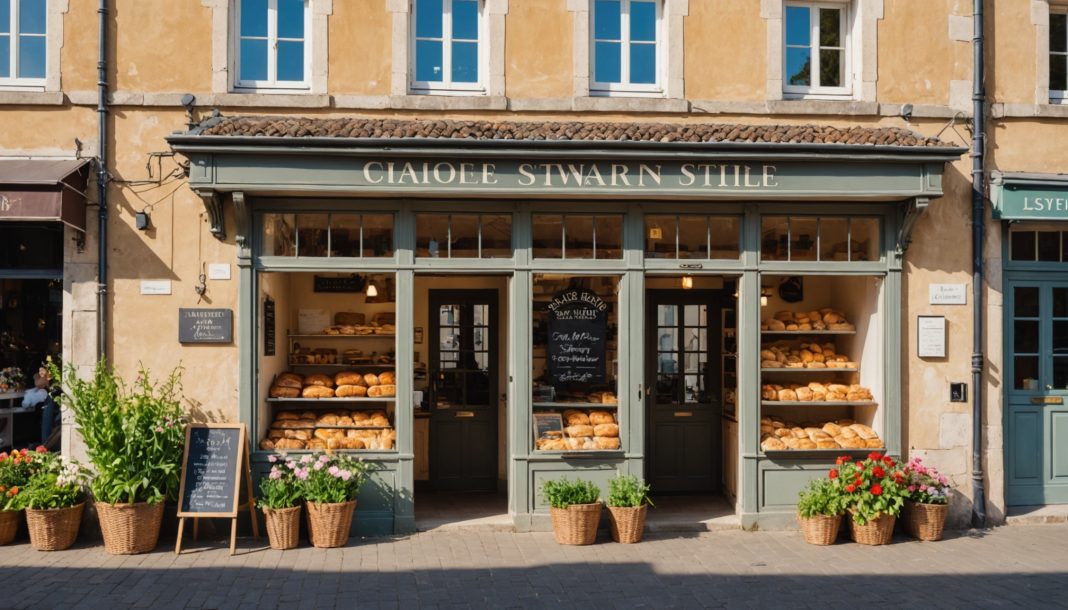
In many rural towns and medium-sized cities in France, train stations once left deserted are gradually finding new purpose. Bakeries, tea rooms, florists, and community grocery stores: local services are reclaiming their place in small French train stations, thanks to a national program run by SNCF Gares & Connexions, the station division of SNCF (the French national railway company).
A Program to Reoccupy Vacant Spaces
Called “Place de la Gare”, the program aims to give new purpose to unused spaces within station buildings: former ticket counters, waiting rooms, or offices closed over the years as rail traffic declined. Across the network, nearly a thousand stations now have about 80,000 square meters of available space, located in rural towns as well as medium-sized cities and suburban areas. This inventory is part of the broader “1001 Gares” program, which views these empty spaces as a lever for restoring local services rather than as abandoned property.
Businesses Chosen to Meet Local Needs
In practice, SNCF leases these spaces to local project developers instead of letting them fall into disrepair. A report broadcast on August 15, 2026 by France 3 Régions shows how several small stations have welcomed a tea room, a bakery, or a florist, breathing new life into buildings that had previously been closed to the public. Elsewhere on the network, other spaces host a wide range of activities:
- a community grocery store, run by a local nonprofit;
- a bike repair shop, useful to residents and cycling tourists alike;
- a local library or toy library;
- a coworking space for workers in the area.
This diversity reflects the program's intent to adapt to the real needs of each area, rather than imposing a single business model on every station involved.
A Deliberate Social Dimension
Beyond economic revitalization alone, the initiative carries an explicit social component. The National Union of Municipal Social Action Centers (UNCCAS, the French federation of local social welfare offices) praised the relaunch of “Place de la Gare,” noting that these new services make everyday life easier for residents who are sometimes far from shops and administrative offices, particularly in areas where the local economic fabric has weakened over the years. For a town, hosting a business at its station also helps recreate a gathering spot, since many small towns have seen their last café or grocery store disappear.
Preventing Abandoned Stations from Falling into Disrepair
The situation that prompted this type of program has been documented for several years by Cerema, the French public body for expertise on local and regional development: when passenger numbers decline or rail service is cut, vacant station buildings deteriorate quickly and sometimes end up decommissioned or even boarded up. By installing lasting activities there, SNCF aims to keep these buildings part of the living heritage of their towns, while preserving their role as access points for everyday mobility and travel.
Key Takeaways
This wave of station reoccupation is part of a broader trend of reshaping services in rural areas, where post offices are also moving into multi-service shops and mobile France Services centers travel to villages every week. For the residents involved, the stakes are very concrete: being able to access a business, a public service, or a cultural activity without having to make repeated trips to the nearest town. The program also indirectly benefits local employment, since each new business or service creates one or more jobs on site, as well as the tourist appeal of small rail lines, an issue closely watched by players in local tourism.
Frequently Asked Questions
What is the “Place de la Gare” program?
It's a program run by SNCF Gares & Connexions that involves leasing vacant station spaces to local project developers — businesses, associations, or services — in order to give them new purpose rather than letting them fall into disrepair.
How many stations have these available spaces?
Nearly a thousand stations now have about 80,000 square meters of unused space in total, spread across rural towns, medium-sized cities, and suburban areas throughout the network.
What kinds of services are moving into these stations?
The examples recorded range from traditional businesses (bakeries, florists, tea rooms) to more community-oriented services such as a nonprofit grocery store, a bike repair shop, a library, or a coworking space.
Sources
- France 3 Régions – France Télévisions
- UNCCAS – Precarity: SNCF relaunches the “Place de la Gare” operation
- Cerema – What happens to rural stations when trains disappear?
This article was written with the help of artificial intelligence. Editorial policy

